Embracing Diversity: A Guide to Architectural Styles in Modern Homes
An exploration of various architectural styles, their historical significance, and their influence on vacation home contemporary home design.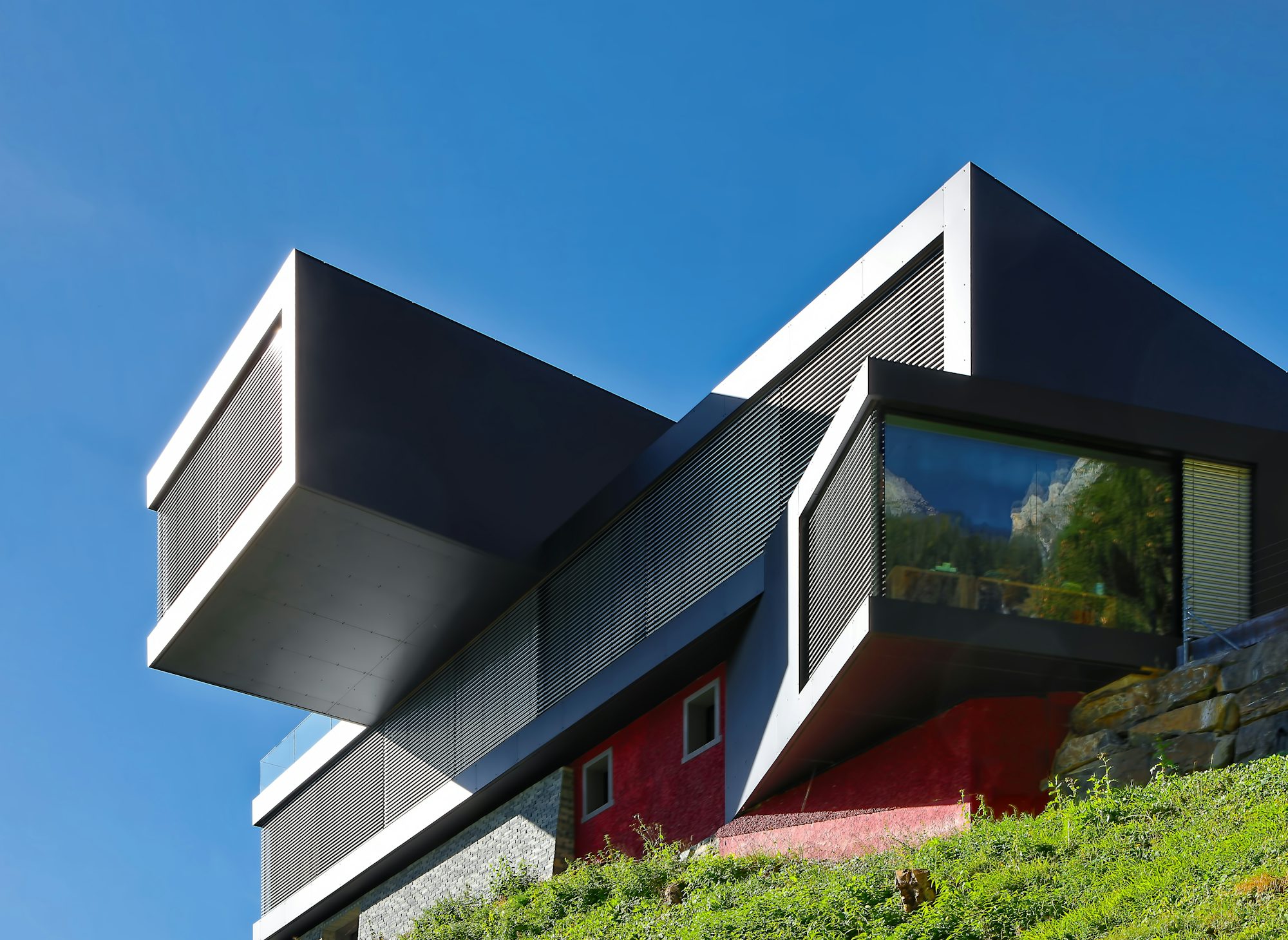
Architecture is a powerful form of expression, representing the culture, history, and aspirations of society. Each architectural style serves as a reflection of its time, revealing insights into the values and lifestyles of the people who inhabit these spaces. This article aims to explore a range of architectural styles, highlighting their unique characteristics and the impact they continue to have on modern home design. We begin our journey with Colonial architecture, which laid the foundation for many American homes. Characterized by symmetrical facades and rectangular shapes, Colonial homes often feature prominent entryways flanked by columns. These homes emphasize balance and proportion, showcasing evenly spaced multi-pane windows and central chimneys that add to their formal appearance. The Colonial style reflects the aspirations of early settlers, merging practicality with elegance. As we move into the 19th century, we encounter the Victorian style, known for its elaborate details and whimsical charm. Victorian homes are marked by asymmetrical shapes, steeply pitched roofs, and intricate decorative trim. The vibrant color schemes and ornate woodwork create striking facades that invite admiration. This architectural style mirrors a period of creativity and social change, representing a time when artistic expression flourished. Each Victorian residence tells a story, offering a glimpse into the past through its unique features. In contrast, the Cape Cod style emphasizes simplicity and functionality. Originating from early colonial designs, Cape Cod homes are characterized by steep roofs, dormer windows, and a symmetrical layout that exudes warmth and comfort. Typically one or one-and-a-half stories, these homes are perfect for families seeking a cozy and practical living environment. The straightforward designs and durable materials used in Cape Cod architecture resonate with a lifestyle that values familiarity and ease, ensuring their lasting popularity. As we transition to the mid-20th century, the Ranch-style home emerges as a game changer in residential design. Known for its single-story layout and open spaces, Ranch homes often feature long, low-pitched roofs and expansive windows that flood interiors with natural light. The open floor plans encourage social interaction, making these homes ideal for entertaining and family gatherings. This style encapsulates a modern approach to living, emphasizing functionality and accessibility to meet the needs of contemporary families. The Craftsman and Bungalow styles highlight a commitment to craftsmanship and the use of natural materials. These homes are recognized for their low-pitched roofs, exposed rafters, and wide porches that foster relaxation and community interaction. Built-in furnishings and intricate woodwork reflect the artistry involved in their construction, creating spaces that resonate with authenticity and warmth. Craftsman homes appeal to those who appreciate the beauty of handcrafted details, making them timeless options for many homeowners. As we delve into Tudor architecture, we uncover a style inspired by medieval English design. Tudor homes are characterized by steeply pitched roofs, decorative half-timbering, and intricate brickwork, resulting in a charming, storybook aesthetic. The combination of textures and design elements creates an inviting atmosphere, appealing to those who appreciate historical narratives. The Mediterranean architectural style transports us to sun-soaked regions, featuring stucco exteriors, red-tile roofs, and arched windows that promote a sense of tranquility. This design celebrates outdoor living, often complemented by lush gardens and courtyards that encourage relaxation. Mediterranean homes foster a lifestyle centered around leisure, making them particularly appealing in warmer climates, with an emphasis on natural light and fluid spaces that enhance the living experience. Contemporary and modern designs offer a refreshing contrast to traditional styles, embracing minimalism and clean lines. These homes prioritize functionality, often featuring open floor plans and expansive windows that allow for abundant natural light. The focus on simplicity resonates with modern lifestyles, encouraging residents to appreciate the beauty of uncluttered spaces and innovative designs. This architectural approach invites a fresh perspective on home design, appealing to those who value innovation and adaptability. Cottage homes, with their quaint charm, often feature sloping roofs and inviting porch spaces. These small to medium-sized houses provide a cozy retreat from the complexities of modern life, evoking a sense of nostalgia and comfort. Cottages emphasize craftsmanship and unique details, appealing to those who seek a connection to nature and a simpler way of living. The split-level design maximizes space on smaller lots, featuring staggered levels that create distinct living areas. This innovative layout allows for privacy while maintaining an open flow between spaces, making it ideal for families who appreciate both togetherness and personal space. Georgian architecture captivates with its symmetrical elegance and formal design. Characterized by brick exteriors and elaborate cornices, Georgian homes convey a sense of grandeur that has remained timeless. The classic multi-pane windows and centrally placed entrances reflect an appreciation for tradition and historical significance, appealing to those who value architectural heritage. Finally, the farmhouse style celebrates rustic charm and practicality, often featuring large porches and gabled roofs designed for rural living. Farmhouses promote a sense of community and connection to the land, offering functional layouts that accommodate family life and gatherings. This style emphasizes a lifestyle that embraces nature and simplicity, resonating with those who cherish the warmth of family and the beauty of pastoral settings. Each architectural style presents a unique perspective on home design, reflecting the diverse values and preferences of its inhabitants. Whether drawn to the elegance of Colonial designs, the whimsy of Victorian homes, or the practicality of modern architecture, the variety of styles ensures that everyone can find a space that resonates with their individual taste and lifestyle. As we continue to explore the evolving world of architecture, we celebrate the creativity and thoughtfulness that shape our living environments, allowing us to create spaces that truly feel like home.